
Last updated October 16, 2026
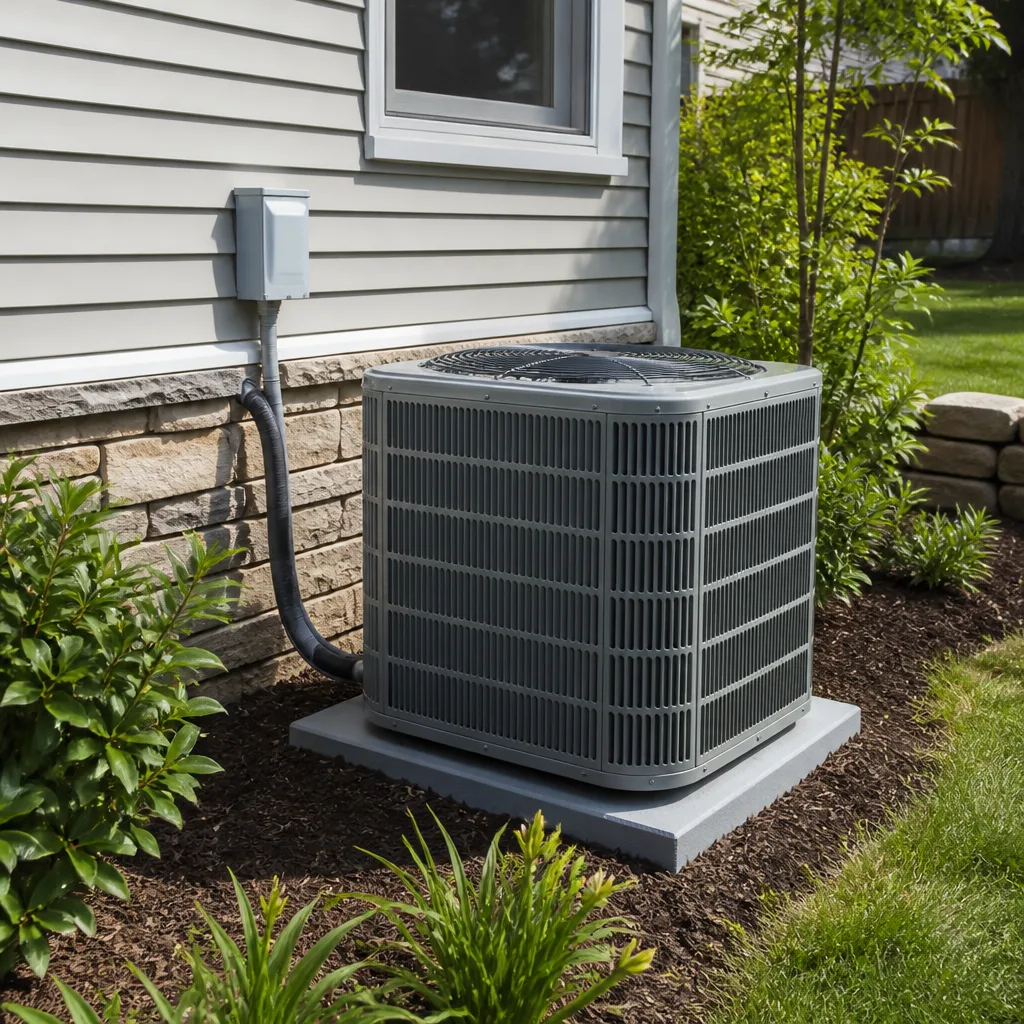 AC repair
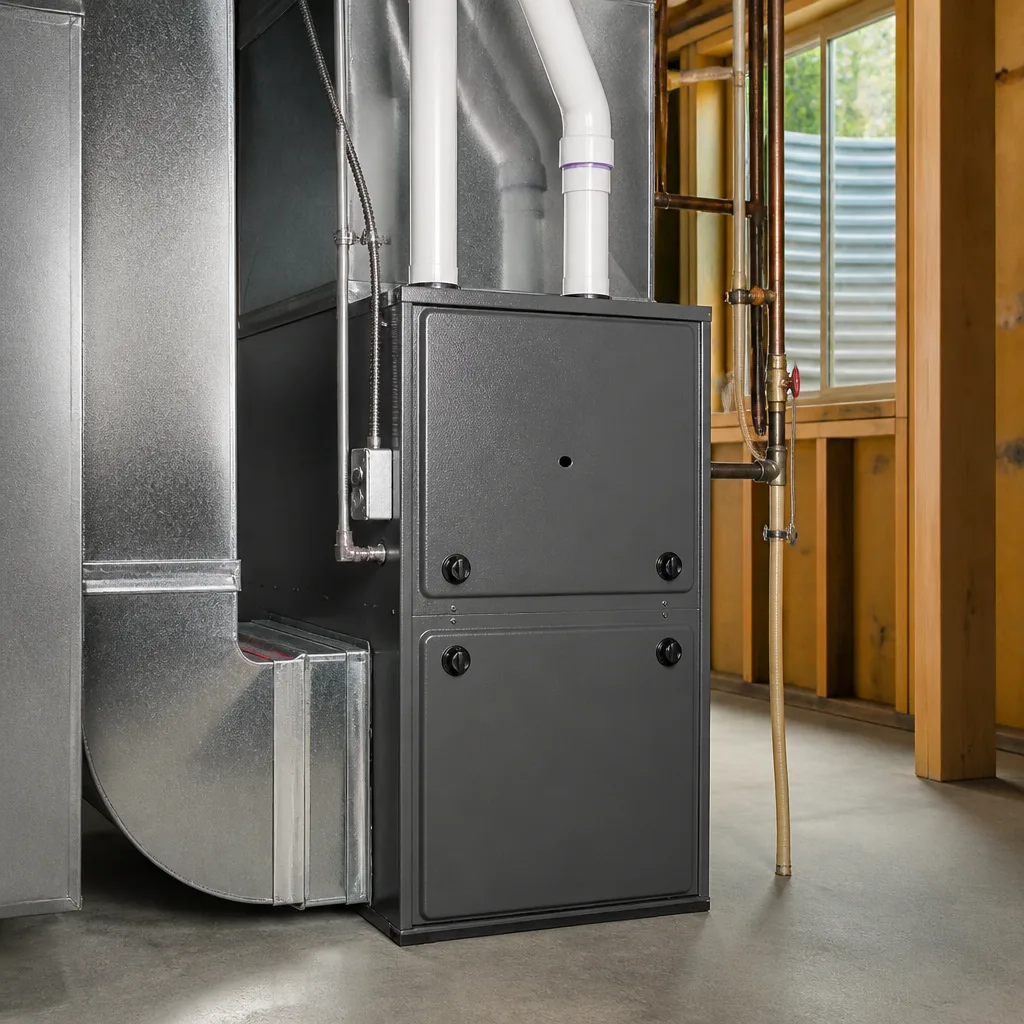 Furnace & heating
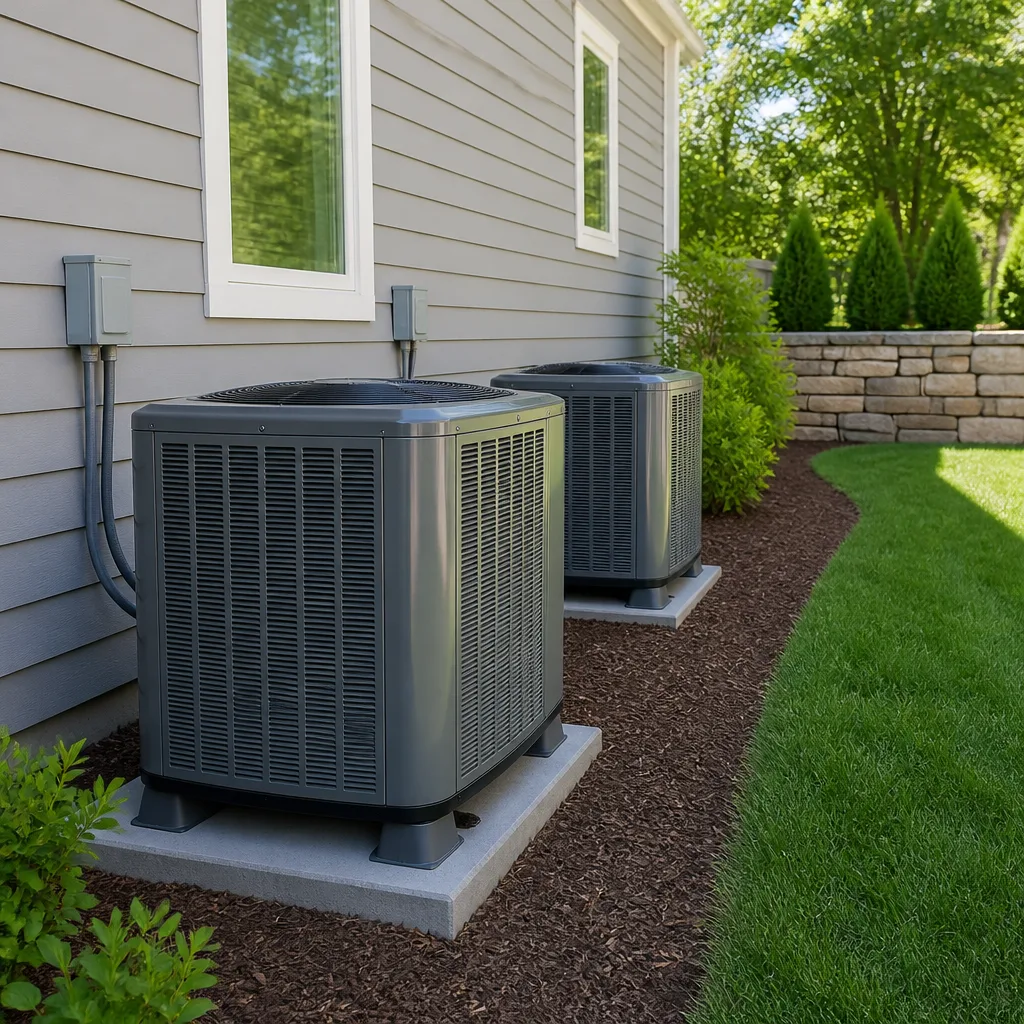 Heat pumps
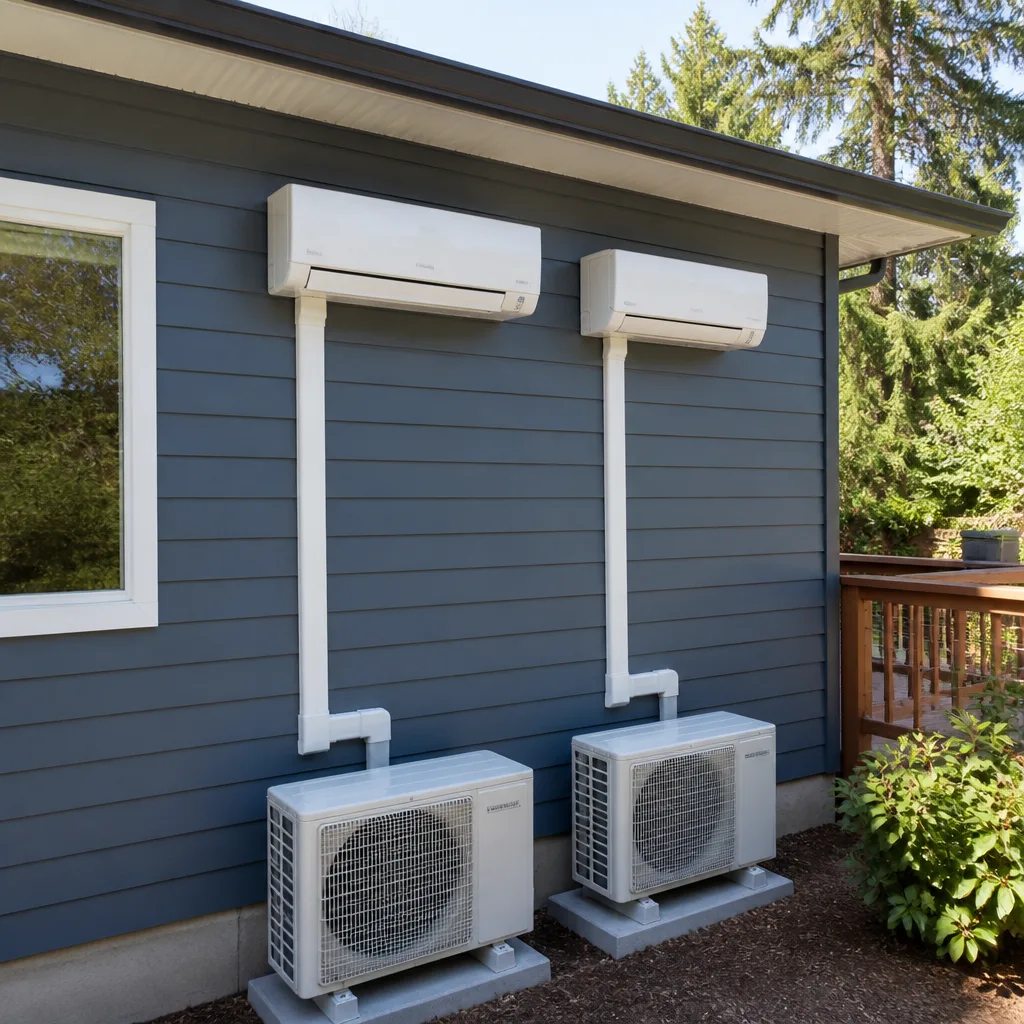 Ductless mini splits
 Carrier
 Trane
Trane Goodman
Seasonal tune-up and full diagnostic on your Carrier, Trane, or Goodman system - readings shown to you before any repair is proposed
Diagnosis first, numbers second - you approve the repair price before a single part goes in.
Get your free estimateHVAC Warning Signs: A Henderson Homeowner’s Reference Guide
Most HVAC warning sign articles get it wrong. They describe symptoms that have already cost you money – a dead compressor, a cracked heat exchanger, a fried control board. By the time those show up, you’re past prevention and into repair. What actually saves Henderson homeowners thousands of dollars is catching the early signals: the two-minute cycle, the faint capacitor buzz, the $14 unexplained spike on a July NV Energy bill. This guide – part of The Complete Guide to HVAC in Henderson – organizes warning signs by urgency: what you can watch, what needs a call this week, and what means shut the system down before it damages itself further. We’ll cover specific sounds, specific smells, and what Henderson’s hard water does to coils over time.
Styles & brands we work with
Quick Answer
HVAC warning signs in Henderson fall into three tiers: monitor it (slight temperature swings, subtle new sounds, small bill increases), schedule service within 7 days (short cycling, ice on the refrigerant line, musty odors, a 15% or higher electric bill jump – see our AC Repair Maintenance Checklist for Henderson Homeowners), and turn it off now (burning smells, loud grinding, refrigerant hissing, water pooling around the air handler, or a system running nonstop without cooling). Short cycling alone can damage a compressor within 72 hours during a July heat wave – that’s the costliest repair most homeowners face.
Table of Contents
- The Three Urgency Tiers: How to Sort Any Warning Sign
- What That Sound Actually Means: A Henderson Homeowner’s Listening Guide
- How to Read Your Electric Bill as an HVAC Diagnostic Tool
- Odors, Dust, and Humidity: Indoor Air Quality Signals That Point to Your System
- What Henderson’s Hard Water Does to Evaporator Coils
- Seasonal Warning Signs: What Summer and Winter Sound Different
- Common Mistakes to Avoid
- When to Call a Professional
- Frequently Asked Questions
- The Bottom Line
The Three Urgency Tiers: How to Sort Any Warning Sign
We organize every symptom we see in Henderson homes into three buckets. The goal isn’t to make you anxious – it’s to give you a clear decision path so you’re not guessing at 11 p.m. on a July night. Here’s the framework we use when a homeowner calls us describing something odd.
Tier 1: Monitor It
These are signals that something may be developing, but the system is still functioning safely. You don’t need to call today. You do need to pay attention.
- Temperature swing of 2 – 3 degrees between rooms: Often a balancing issue, a partially closed register, or an aging filter. If it’s stable and the system is cooling adequately, watch it for a week.
- A new but faint hum or vibration you only notice at night: Could be a capacitor aging, a slightly loose panel, or a blower wheel beginning to accumulate dust. If it doesn’t change pitch or volume over several days, note it and keep listening.
- Electric bill up 5 – 10% over the same month last year: With Henderson’s summer rates, this can be weather-driven. Compare degree days, not just dollars. If you’re not sure how to do that, keep it simple: a $15 – $25 increase in a hot month is in monitor territory.
- Humidity indoors sits at 50 – 55% during summer: It’s not an emergency, but it’s above ideal. Watch for other signs: condensation on windows, a stuffy feel in bedrooms at night.
Tier 2: Schedule Within 7 Days
These are real problems that are actively costing you money or degrading equipment. You don’t need to shut anything off tonight, but you should put a call on the calendar. In our experience serving Henderson’s neighborhoods – Green Valley, Anthem, Whitney Ranch, MacDonald Highlands – these are the symptoms that become expensive when ignored for even three or four weeks.
- Short cycling: The system runs for 2 – 5 minutes, shuts off, then restarts 10 – 15 minutes later. It’s the single most common precursor to compressor failure we see in Henderson. Each start is the hardest moment for a compressor – during a heat wave, the stress compounds fast.
- Ice on the outside refrigerant line or on the evaporator coil: This means low refrigerant or restricted airflow. Both cause the coil to drop below freezing. Ice insulates the coil and makes the problem worse daily.
- Electric bill up 15% or more without a corresponding heat increase: Your system is working harder than it should to produce the same cooling. That’s money leaving the house every single day.
- Musty or dirty-sock smell from vents: Usually coil mold or duct moisture. It’s not dangerous to run, but airborne spores concentrate every time the blower runs, and kids and pets breathe that air all night.
- Condensation or minor water staining around the air handler: A drain line starting to clog can drip slowly for weeks before it backs up enough to cause overflow damage. In a Henderson summer, that water can wick into drywall fast.
Tier 3: Turn It Off Now
These mean stop the system and call. Don’t run it overnight to “see if it clears up.” Here’s what belongs in this tier:
- Burning or electrical smell: Shut the system down at the thermostat and at the breaker if the smell is strong. This can be a failing blower motor, a shorting control board, or dust burning off a heating element. You don’t wait on electrical smells.
- Loud grinding, squealing, or metal-on-metal sound: A failing blower bearing or a dying compressor. Continuing to run it increases the repair cost every hour.
- Refrigerant hissing that’s clearly audible near the indoor coil or outside unit: That’s the system losing charge, and continued running can send liquid refrigerant back to the compressor – a failure mode called slugging that destroys the compressor fast.
- Water pooling around the air handler or through the ceiling below it: A fully clogged condensate line overflows. In Henderson, where many air handlers sit in attics or closets, this can damage drywall, flooring, and whatever is stored below.
- System running constantly, no change in indoor temperature, and the outside unit is hot: The compressor may have already failed, or the system is so low on charge it’s moving heat nowhere. You’re paying for electricity that produces nothing.
If you’re in Tier 3, call (775) 257-9022. We answer live, 24 hours a day. If we determine it’s safe to wait until morning, we’ll tell you that honestly – and the advice costs nothing.
What That Sound Actually Means: A Henderson Homeowner’s Listening Guide
Every mechanical system has a vocabulary. Most homeowners describe what they hear as “a weird noise,” but the specific sound maps to a specific component. Once you know the translation, you can communicate to a technician what’s wrong before they even arrive – and you’ll know whether you’re dealing with a monitor situation or a turn-it-off situation.
Hiss
A steady hiss from the indoor coil or the copper lines near the air handler usually means refrigerant is escaping through a small leak. In Henderson, where systems run hard from May through September, vibration and thermal expansion take a toll on braze joints and coil connections. A hiss that’s soft and only during operation might be normal refrigerant metering. A hiss that’s loud, constant, or accompanied by hissing when the system is off points to a leak. Call within a week. If the hiss becomes a gurgle or a steady high-pitched whistle, that’s more urgent.
Buzz
A brief buzz when the outside unit tries to start but the fan doesn’t spin is the classic capacitor sound. The compressor tries to draw current, the capacitor can’t deliver the torque, and the unit sits stalled. In Henderson’s July heat, the outside A/C capacitor sees surface temperatures above 140°F, which shortens its lifespan to as little as two or three years. If the buzz lasts longer than three seconds or the unit hums without the fan turning, that’s Tier 2 – call within a week. The good news: capacitors are among the least expensive repairs. The bad news: running a system with a failing capacitor can damage the compressor winding, which is not inexpensive.
Squeal or screech
A high-pitched squeal from the inside unit usually means the blower motor bearings are dry and beginning to fail. It often starts as a brief squeal at startup, then develops into a constant noise. Once the bearing is scored, the motor has to be replaced. Catching it at the squeal-briefly stage might mean a $40 – $120 blower service. Waiting until it grinds means a motor replacement running $400 – $900, depending on the system.
Grind
Metal on metal from the outside unit means the compressor’s internal parts are failing, or the fan motor bearing has completely disintegrated. Either way, every minute the system runs, you’re adding damage. This is Tier 3. Turn it off.
Chugging or knocking at startup
A liquid slugging sound – a mechanical chug when the compressor starts – means liquid refrigerant is being pushed into the compressor. Compressors are designed to compress gas, not liquid. Liquid is incompressible, so it hammers the internal valves and scroll assembly. Continuing to run a slugging compressor can destroy it in hours, not weeks. This is a sign of overcharging, a failing expansion valve, or a coil so restricted that refrigerant isn’t evaporating properly. Turn it off and call.
Rattling
A loose panel, a twig in the fan cage, or a compressor mounting bolt that’s worked loose. Rattling at the outside unit is often harmless mechanically, but ignored for weeks, it can become a fan blade strike that shears the blade. Rattling at the indoor unit can be a blower wheel with imbalance or debris in the housing. Monitor a rattle that doesn’t change. Call if it worsens.
Luis Serrano, who runs Meadowsweet Heating and Air Henderson home, likes to say that a system’s sounds are like a check-engine light – you don’t have to be a mechanic to know when something’s changed. You just have to listen for a few seconds when you walk past the return grille or the outside unit.
How to Read Your Electric Bill as an HVAC Diagnostic Tool
Your NV Energy bill is more than a bill. It’s a weekly performance report on your HVAC system. Most Henderson homeowners don’t look at it that way – they see the total, maybe notice it’s higher than last summer, and move on. But the pattern inside that number tells you whether your system is running efficiently or silently degrading.
The 15% Rule
Here’s the guideline we use: if your cooling season bill is 15% or more above the same month last year, after adjusting for unusually hot weather, something mechanical has changed. A system doesn’t lose 15% efficiency because it’s getting older. It loses efficiency because of a specific fault. Common culprits we find in Henderson homes when a bill spikes:
- Low refrigerant charge: The system runs longer to reach the same setpoint, so it uses more electricity per degree of cooling. A system 20% low on charge can run 30 – 40% longer.
- Dirty outdoor coil: In Henderson’s dust and construction zones, coils clog fast. A heavily fouled coil raises compressor head pressure, which increases amp draw and can shave 15 – 20% off efficiency.
- Failing capacitor or contactor: A hard-starting compressor draws high inrush current each cycle. Over a month, hundreds of starts add up.
- Duct leakage: If conditioned air is leaking into a Henderson attic (where June temperatures can reach 140°F), the system runs longer, and you pay to cool air that never reaches your living room.
What a 15% Drop Costs in Dollars
Let’s put it in Henderson numbers. A typical 2,000-square-foot home in Green Valley or Anthem might run $220 – $320 per month for electricity during July and August. A 15% efficiency loss means an extra $33 – $48 on those bills, each month. Across a six-month cooling season, that’s $200 – $290 in waste. One service call and a minor repair often costs less than the waste alone.
How to Actually Check It
- Pull out last summer’s bills – or log into your NV Energy account and pull the billing history.
- Compare the same months: July this year to July last year, June to June.
- Look at the kilowatt-hours, not just the dollar total. Rates change. You want usage, not price.
- Check Henderson’s degree days for that month. If this July was 8% hotter than last July, a 10 – 12% usage increase might be weather. If it’s 20% higher, that’s mechanical.
- If you can’t find the weather adjustment, trust the checkbook: a $40+ increase in a comparable month is worth a call to your AC Repair in Henderson professional.
One thing we tell our customers: never ignore a bill spike because “summers are just getting hotter.” Henderson’s climate has warmed, yes, but your system’s job is still to move heat. When it stops doing that efficiently, the bill is telling you something specific.
Odors, Dust, and Humidity: Indoor Air Quality Signals That Point to Your System
Your nose is a diagnostic tool. In Henderson, where houses stay sealed against the heat for months at a time, what you smell at the return grille tells you what’s happening inside the ductwork, on the coil, and in the condensate pan.
Musty or dirty-sock smell
This is mold or bacterial growth on the evaporator coil or in the condensate pan. It’s common in Henderson for a specific reason: our dry air means the coil cycles between wet and dry. During cooling, the coil condenses moisture. When the system shuts off, the coil dries quickly in our low humidity, which is mostly good – but if the condensate pan doesn’t drain fully, or if the coil has a layer of dust that holds moisture, the wet-dry cycle feeds biofilm. That smell moves through the supply ducts and into bedrooms every time the blower runs. On a Bryant or Rheem system with a coil case that’s not perfectly sealed, the smell can be worse. The fix is a coil cleaning and drain treatment, not just a different filter.
Visible dust on supply registers
You know the black or gray streaks on the ceiling around supply registers? That’s called ghosting. It’s fine dust carried by the air stream, and it usually means one of three things: the filter hasn’t been changed, the duct system has a return-side leak pulling attic dust into the system, or the ducts themselves are shedding particles. If you’re changing filters every 30 days and still seeing register dust in a Henderson home, ask a technician to inspect the return plenum and the attic duct connections. Duct leakage is one of the most under-diagnosed problems we find – and it affects air quality and energy efficiency at the same time.
Humidity above 55%
Henderson is a dry climate, so an indoor humidity reading above 55% during summer is almost always a system problem, not a weather problem. Causes include an oversized AC unit that short-cycles and never runs long enough to dehumidify, a coil that’s not getting cold enough due to low refrigerant, or a blower set to run constantly. Chronic humidity above 55% feeds dust mites and mold, and it makes the indoor air feel sticky at night, which affects sleep quality for kids and adults. If you don’t have a hygrometer, a $10 – $20 digital one from any hardware store gives you a real number to work with. (Full disclosure: the $10 ones can be off by 5%, but that’s enough to flag a 60% reading.)
Burning dust smell at the first heat of fall
When you switch over to heat the first cold week of November or December, you’ll often smell a faint burnt-dust odor. That’s normal – dust settles on the heat exchanger or heat strips during the off-season, and the first burn-off releases it. It should clear within 30 – 60 minutes. If it persists for hours, if you smell plastic or rubber specifically, or if the smell comes with visible smoke, that’s not dust. Call immediately. A persistent electrical smell around a York or Daikin furnace can indicate overheated wiring or a failing blower.
What Henderson’s Hard Water Does to Evaporator Coils
Here’s a Henderson-specific warning sign nobody talks about in the generic HVAC articles. Lake Mead water is notoriously hard – the City of Henderson’s water utility consistently reports hardness levels above 15 grains per gallon, which puts us in the “very hard” classification. What does that have to do with your evaporator coil? More than you’d think.
The Scale Connection
Your evaporator coil sits in the indoor air stream, not in the water supply. So how does hard water touch it? Through the condensate system. During cooling season, the coil condenses gallons of moisture out of the air every day. That condensate drains away. But if the drain line is partially clogged, the pan holds water. And here’s the Henderson factor: our air carries fine dust from construction, open desert, and roadways. That dust settles on the wet coil. Dust plus sitting water plus warmth is exactly the recipe for scale and biofilm on the coil fins.
We don’t see lime scale on evaporator coils from the water supply itself – we see mineral deposits from evaporating condensate that’s picked up dust and sediment from the pan. In homes where the drain line has been slow for months, we find coils with a gray, crusty deposit on the first row of fins. That deposit insulates the coil, reduces airflow across the fins, and makes the coil wetter, which feeds the cycle. Left alone, the same buildup clogs the drain line completely, eventually triggering a float switch shutoff or a pan overflow.
Visual Signs at the Air Handler
If you want to see this before calling a technician, here’s what to look for. Find your air handler – in Henderson, it’s commonly in a closet, attic, or garage. Remove the filter (with the system off). Look at the coil through the filter opening. You’re looking for:
- White or gray crust on the coil face: This is mineral scale. On some Daikin and Bryant coils with tight fin spacing, even a thin layer reduces heat transfer measurably.
- Discolored fins that look darker than the surrounding aluminum: Usually the early stage of scale plus dust adhesion.
- Water staining or mineral streaks below the coil or around the drain pan: Previous slow overflows leaving calcium marks.
- A pan that isn’t draining after the system has run: With the system off for a few hours, shine a flashlight into the pan area. If there’s standing water, the drain is partially clogged.
Coil scaling is a Tier 2 issue. It reduces cooling capacity, drives up your bill, and degrades air quality – but the system isn’t at immediate risk. A professional coil cleaning in Henderson typically runs $150 – $350 depending on access and severity, and a drain line flush is a $75 – $150 service. That’s often the difference between a healthy compressor and a short-cycling system that fails in the middle of July.
Seasonal Warning Signs: What Summer and Winter Sound Different
Henderson’s climate is extreme in one direction: heat. Our cooling season runs from April through October, and winters are short and mild by comparison. That seasonal skew means the warning signs change character depending on the time of year – for details, see Seasonal HVAC Care for Henderson: Year-Round Homeowner’s Guide.
Summer Warning Signs (May – October)
This is when your system works hardest and fails most visibly. During a Henderson heat wave, with daily highs above 105°F, even a healthy system runs 12 – 16 hours a day. Warning signs specific to summer:
- Ice on the outside unit’s copper line during a 110°F day: This is never normal here. In Henderson’s low dew points, freezing lines mean low charge or restricted airflow. Call within a week – the ice is insulating the line and accelerating the problem.
- `The system can’t hold 78°F after 4 p.m.: If the system holds setpoint all morning but falls behind in the late afternoon, you’re at the edge of its capacity. That’s a sign of reduced efficiency and should be investigated before a true heat wave pushes it over the edge.
- Outside unit runs but no airflow from supply registers: The blower capacitor failed, or the blower motor is dead. With the compressor running and no airflow, the indoor coil freezes solid within hours. This is a common failure on Daikin and Rheem systems between year 10 and 15, and it’s a Tier 2 call in a Henderson July.
Winter Warning Signs (November – February)
Henderson winters are gentler, but our furnaces still matter – especially on those 35°F nights when a cold front rolls through. What to listen for:
- Metal popping or banging from the ducts during heat: Expanding and contracting metal from sectioned ductwork. It’s less alarming in older homes, but loud bangs that start suddenly can be a heat exchanger issue. On gas furnaces, a cracked heat exchanger is the one failure you don’t want to miss, because it can release carbon monoxide. Carbon monoxide alarms are non-negotiable in Henderson homes – one on each level, tested monthly.
- Yellow or flickering flame visible at the burner: Only the technician should open the combustion chamber, so don’t attempt it yourself. But from what you can see at the register level, a furnace that has started to smell like gas or that’s cycling the burners on and off rapidly needs immediate attention.
- Electric heat strips running when the system is set to 68°F: If your furnace breaker keeps tripping, the heat strips or the control board are drawing too much current. Turn the system off and call, because a tripping breaker is a short or overload – not something to reset repeatedly.
Common Mistakes to Avoid
- Ignoring a bill spike because “summers are just hotter.” Heat is why your AC runs longer; it’s not why it runs less efficiently. A comparable-month comparison tells you which is happening. In Henderson, our June-through-September bills are the single clearest data source a homeowner has, and most people treat them as noise.
- Repeatedly resetting a tripping breaker. A breaker trips because the circuit is overloaded or shorting. Resetting it a third time doesn’t fix the underlying problem – it just adds heat stress to the wiring. Each reset weakens the breaker’s trip curve a little more. In Henderson, where AC load is already high on the panel, a soft breaker is a genuine hazard.
- Using the wrong filter size. A filter that’s slightly too small lets unfiltered air bypass around the edges, which means dust loads up on the coil and blower. When an air filter gap is visible at the filter rack, a portion of the air has never been filtered at all, which is a major reason for coil scaling in Henderson, where the house dust includes desert-borne silt.
- Closing registers in unused rooms. It seems like a money-saving move, but closing more than 20% of your registers increases static pressure and makes the blower work harder – and on higher-end variable-speed systems, it can reduce efficiency rather than saving anything. Instead of closing registers, set the system to a higher setpoint during the hours no one uses that room.
- Running the system without a filter “just for a few days.” Dust loads onto the coil fast. In Henderson, we see evaporator coils that look like carpet after one summer of poor filtration. Once that dust bakes onto the wet coil, you need a chemical cleaning, not a vacuum.
- Assuming a new system doesn’t need attention for 10 years. New systems are more efficient, but they’re also more sensitive to charge and airflow than older units were. On a new Trane or Lennox unit, a refrigerant charge that’s 10% low can reduce efficiency by 15 – 20%. New systems still need seasonal inspection.
- Ignoring a mild burning smell that comes and goes. A smell that’s intermittent is still an electrical problem – the failure just hasn’t progressed to the constant-overheat stage. If you smell it at the return grille, it’s worth a shutdown and a call to your local furnace repair in Henderson technician.
When to Call a Professional
If you’re in Tier 3 – the turn-it-off-now symptoms – don’t wait until morning. A system that’s grinding, hissing refrigerant, or emitting burning smells is actively damaging itself and potentially your house. Call (775) 257-9022 and talk to a live person, day or night. If you’re in Tier 2, seven days is your window – a routine appointment that resolves the issue before it reaches Tier 3 saves real money. And if you’re simply not sure, we’ll help you sort it over the phone. AC installation in Henderson isn’t always required; sometimes a diagnostic call is all it takes. Meadowsweet Heating and Air Henderson offers free estimates in Henderson – call (775) 257-9022 and we’ll tell you honestly what we think, even if the answer is “monitor it and call us if it changes.”
Frequently Asked Questions
The clearest early sign is a change in the system’s normal behavior: shorter run cycles, the house not holding temperature as tightly, a new sound, or an unexplained bill increase of 15% or more. In Henderson, short cycling is the strongest predictor of compressor failure, and it can destroy a compressor in as little as 72 hours during peak summer heat.
Short cycling – the system runs for 2 – 5 minutes, shuts off, then restarts – is the most common warning sign we see in Henderson. It’s usually caused by low refrigerant, a dirty coil, or an oversized system, and it drives up both repair costs and electric bills because each start cycle draws a high inrush of current.
Freezing happens when the indoor coil drops below 32°F and the moisture on it turns to ice, despite the outside temperature being 100°F or higher. In Henderson, the two main causes are low refrigerant charge and restricted airflow from a dirty filter or clogged blower wheel. Both reduce the coil’s ability to absorb heat, which lowers its temperature until it freezes, and the ice then insulates the coil and makes the problem worse.
Yes, turn it off and call for service. Short cycling is Tier 2 (schedule within 7 days) when it’s moderate, but if the system is cycling every few minutes during a Henderson heat wave, every additional start increases the risk of compressor damage. Shutting it off stops the damage cycle until a technician can diagnose the underlying issue.
Most Henderson homeowners pay between $220 and $320 per month for a 2,000-square-foot home during July and August, depending on their system’s efficiency, thermostat settings, and whether the house has newer windows. A 15% or greater increase over the same month last year, after adjusting for hotter weather, indicates your HVAC system is no longer running efficiently and may need service.
You can vacuum the coil face gently with a soft brush attachment and replace the air filter, and that’s helpful basic maintenance. But a proper coil cleaning in Henderson typically requires removing the access panel, using a no-rinse evaporator cleaner, and in many homes dealing with tight spaces and fragile fins. If the coil is scaled from our hard water and dust, a professional cleaning is worth the call before minor scaling becomes a compressor-killing airflow restriction.
The Bottom Line
Most HVAC failures in Henderson don’t happen without warning. They happen because the warnings went unread – the subtle hiss, the growing buzz, the six-week bill spike, the crust beginning to form on the coil. The urgency-tier framework gives you a way to read those signals honestly: what’s safe to monitor, what needs a call this week, and what means the system comes off right now. Trust the bill, trust your nose, and trust your ears. If a system changes, it’s changing for a reason. You don’t have to know everything about HVAC – you just need to know when to pick up the phone and ask someone who does. For more guides & resources, visit our blog.
Written by Luis Serrano, Owner at Meadowsweet Heating and Air Henderson, serving Henderson since 2004.
See the difference
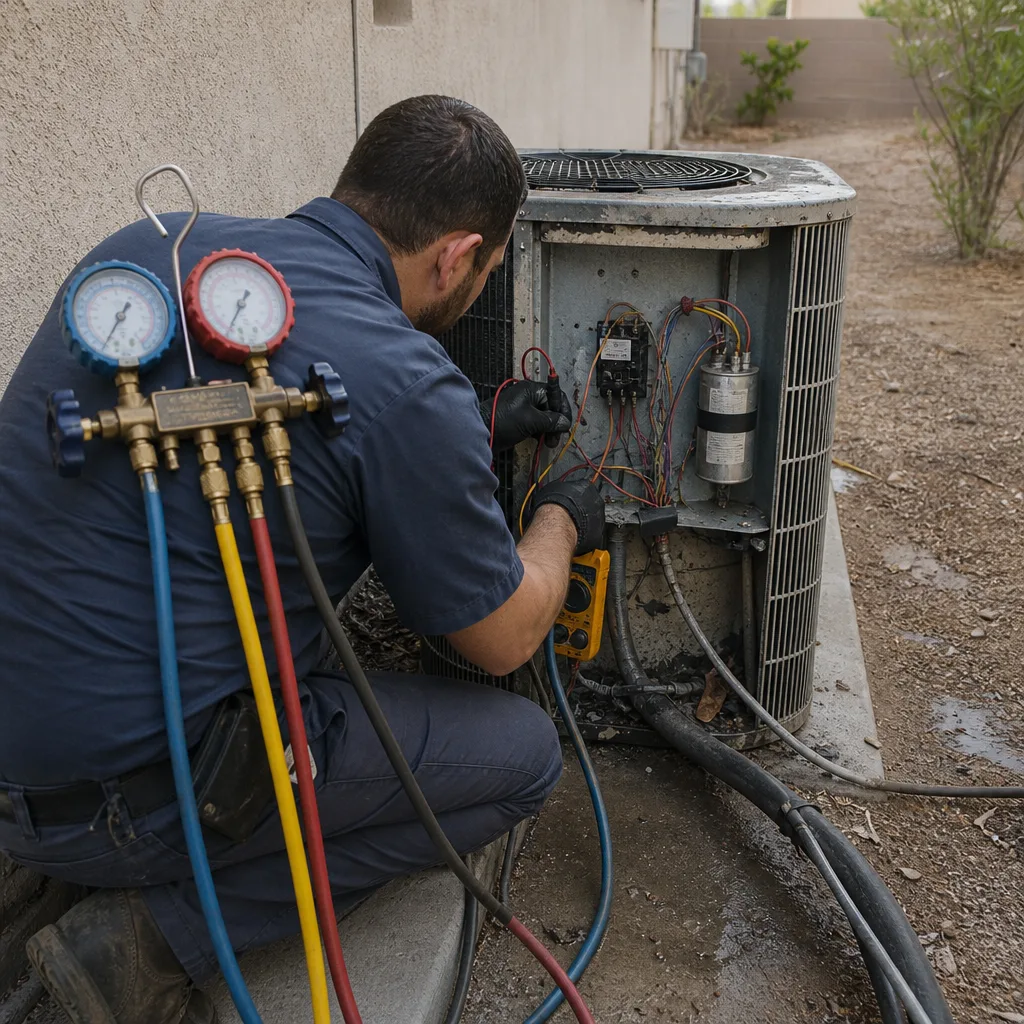 Before
 After
After Before
 After
After Before
 After
After