
Last updated October 16, 2026
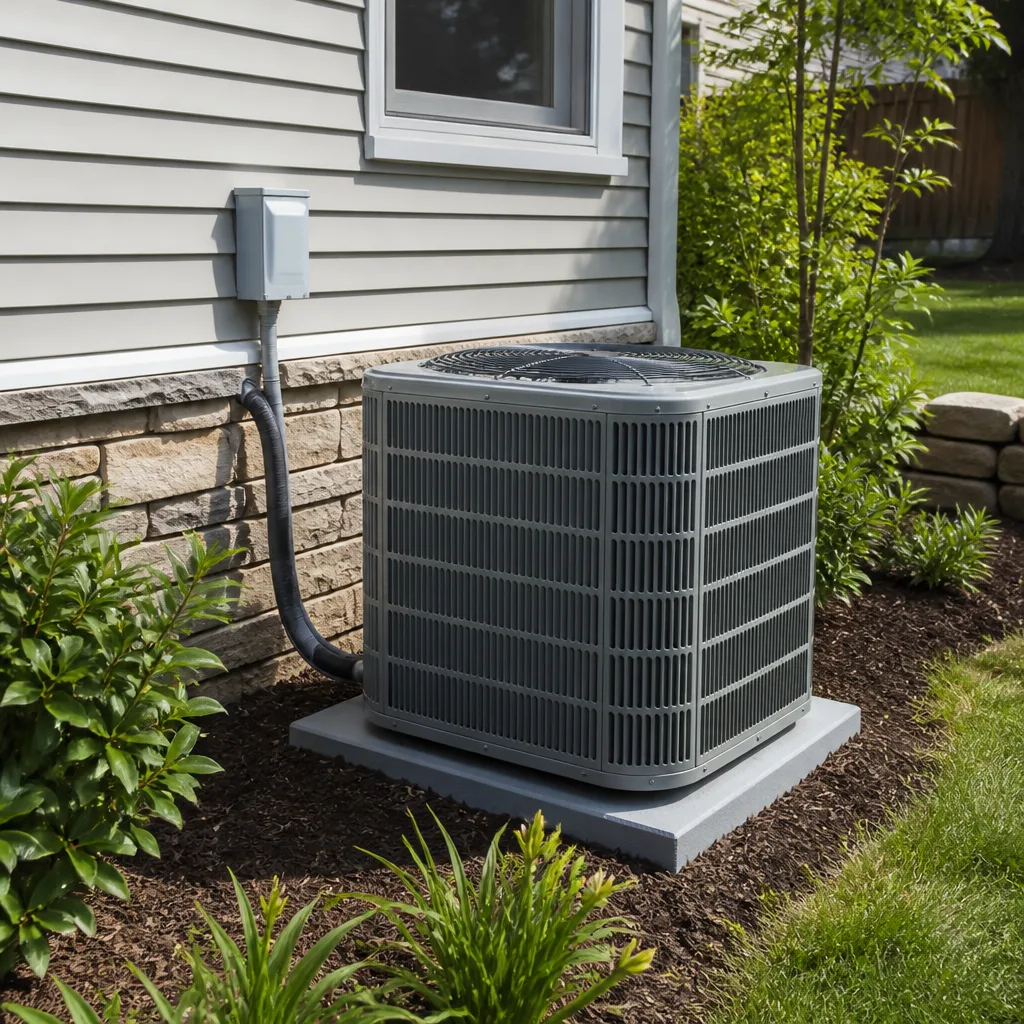 AC repair
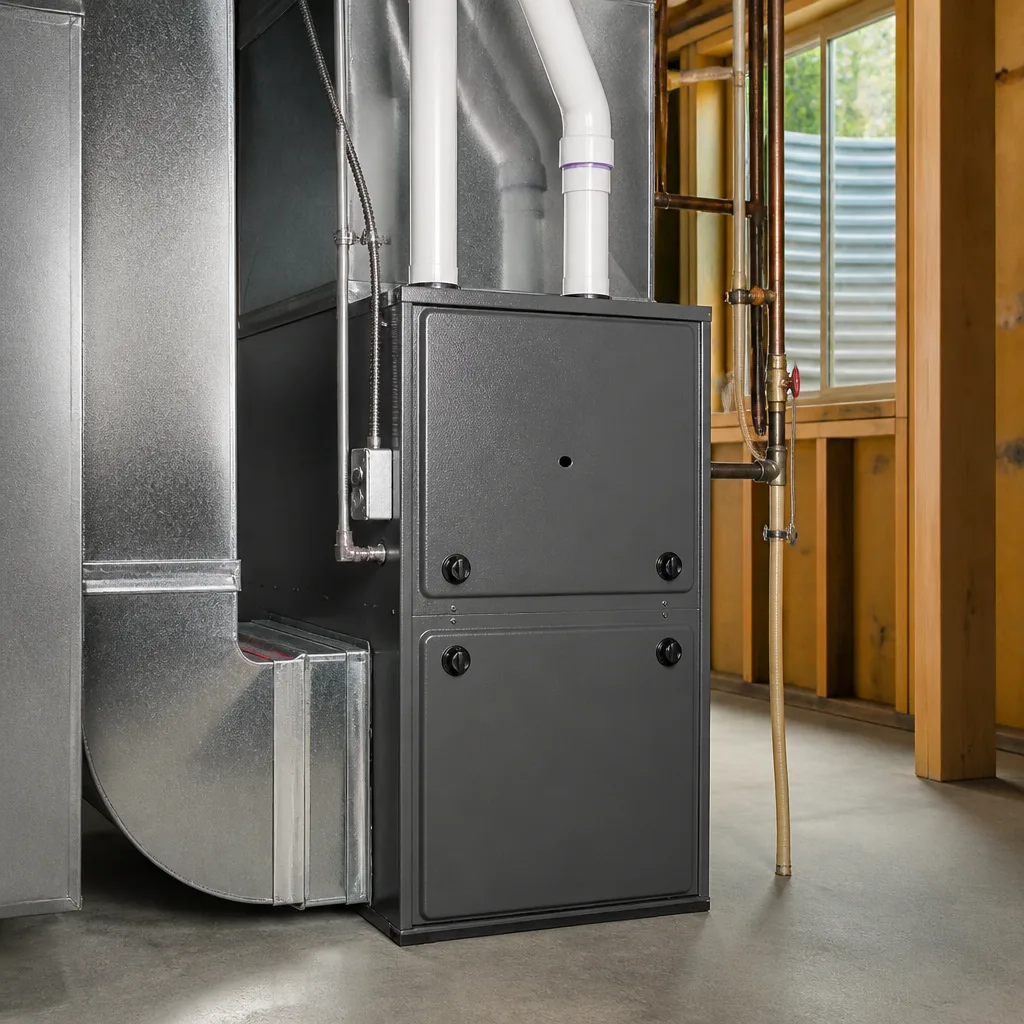 Furnace & heating
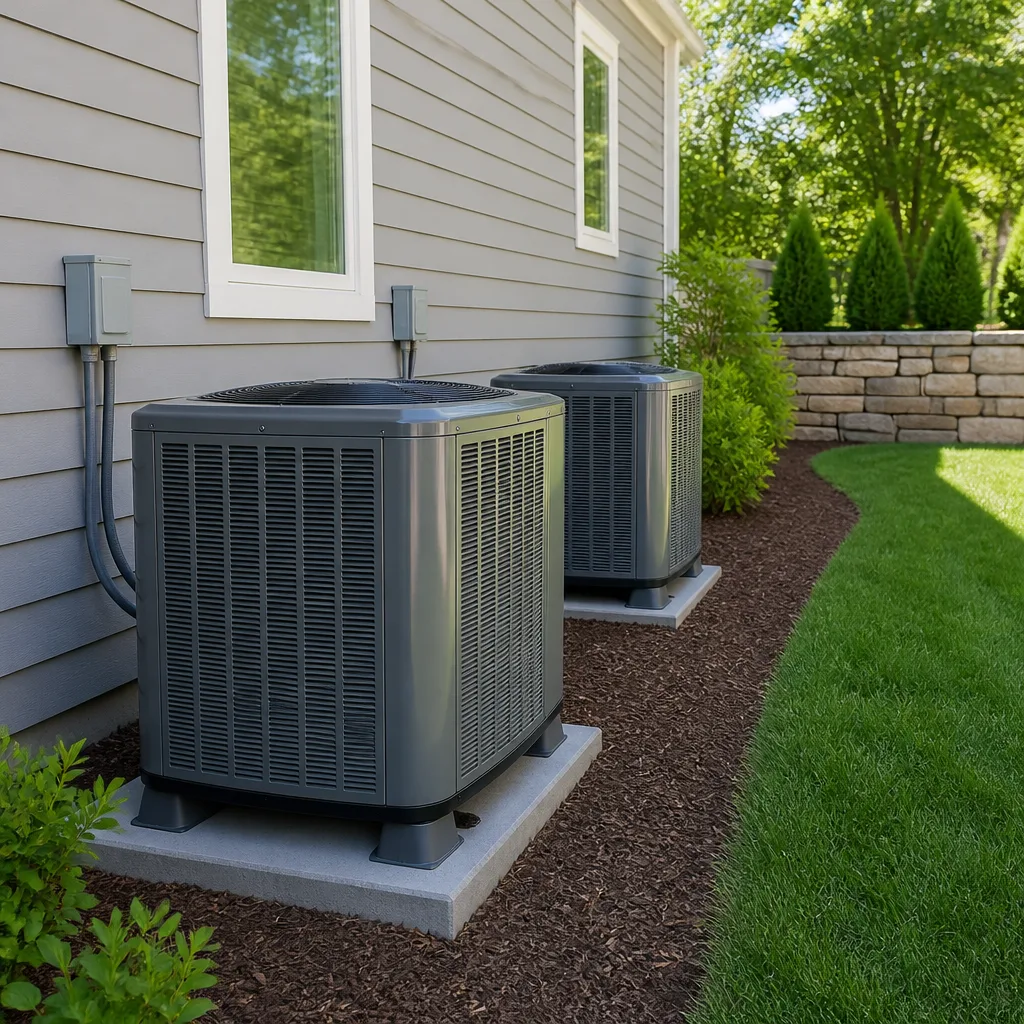 Heat pumps
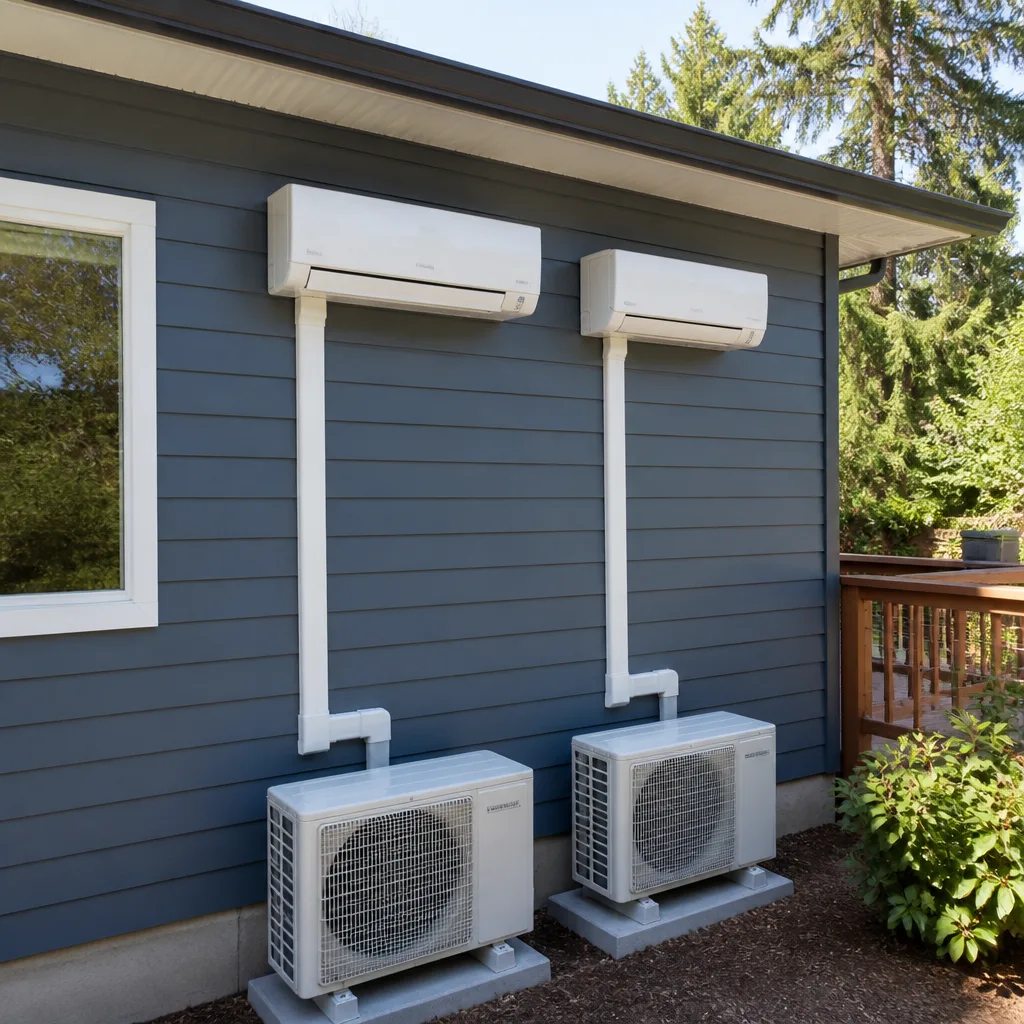 Ductless mini splits
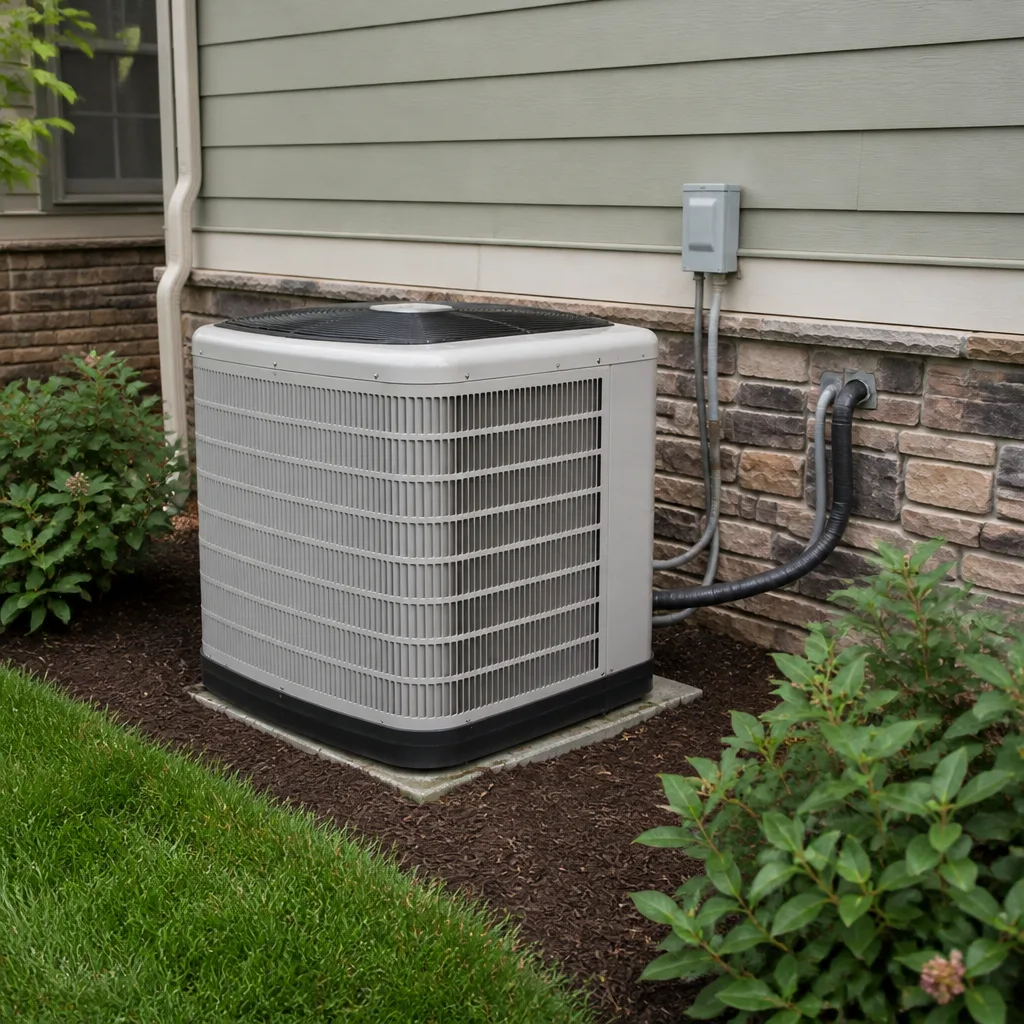 Carrier
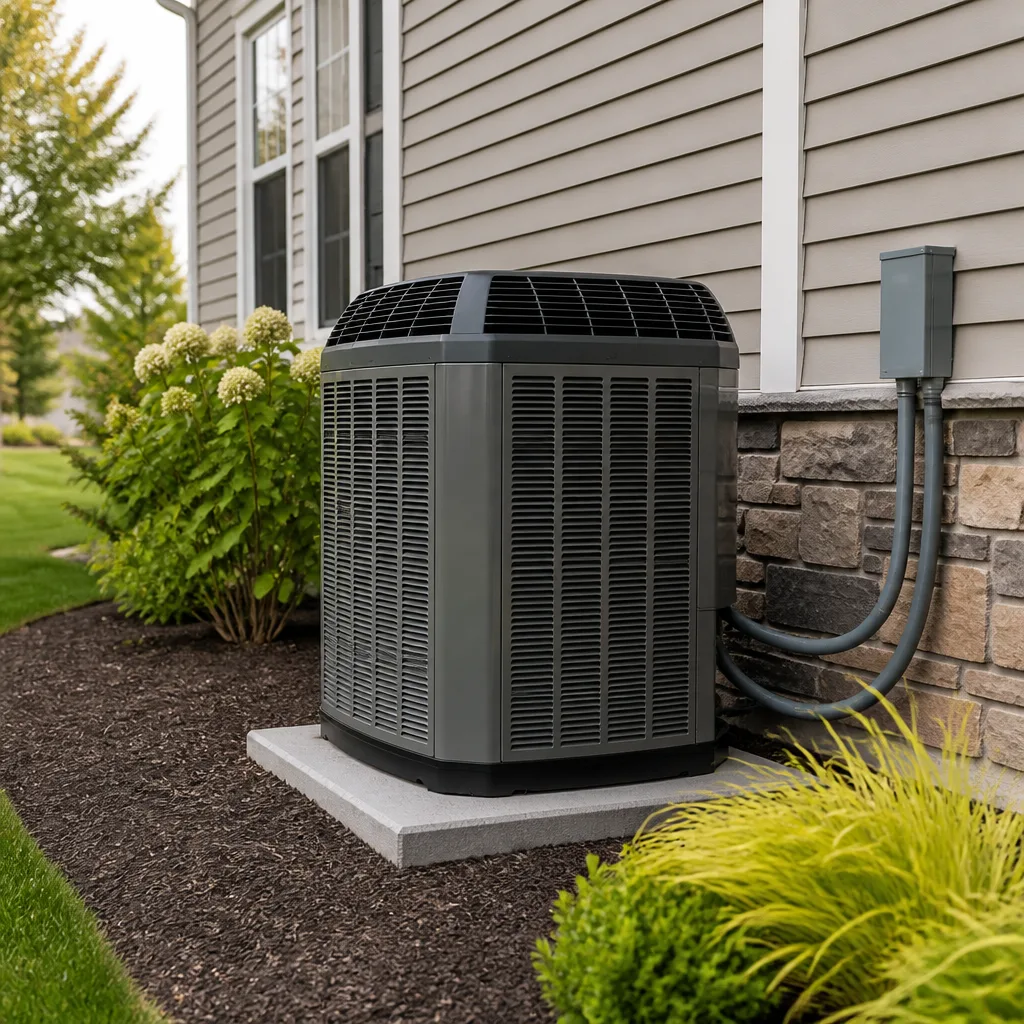 Trane
Trane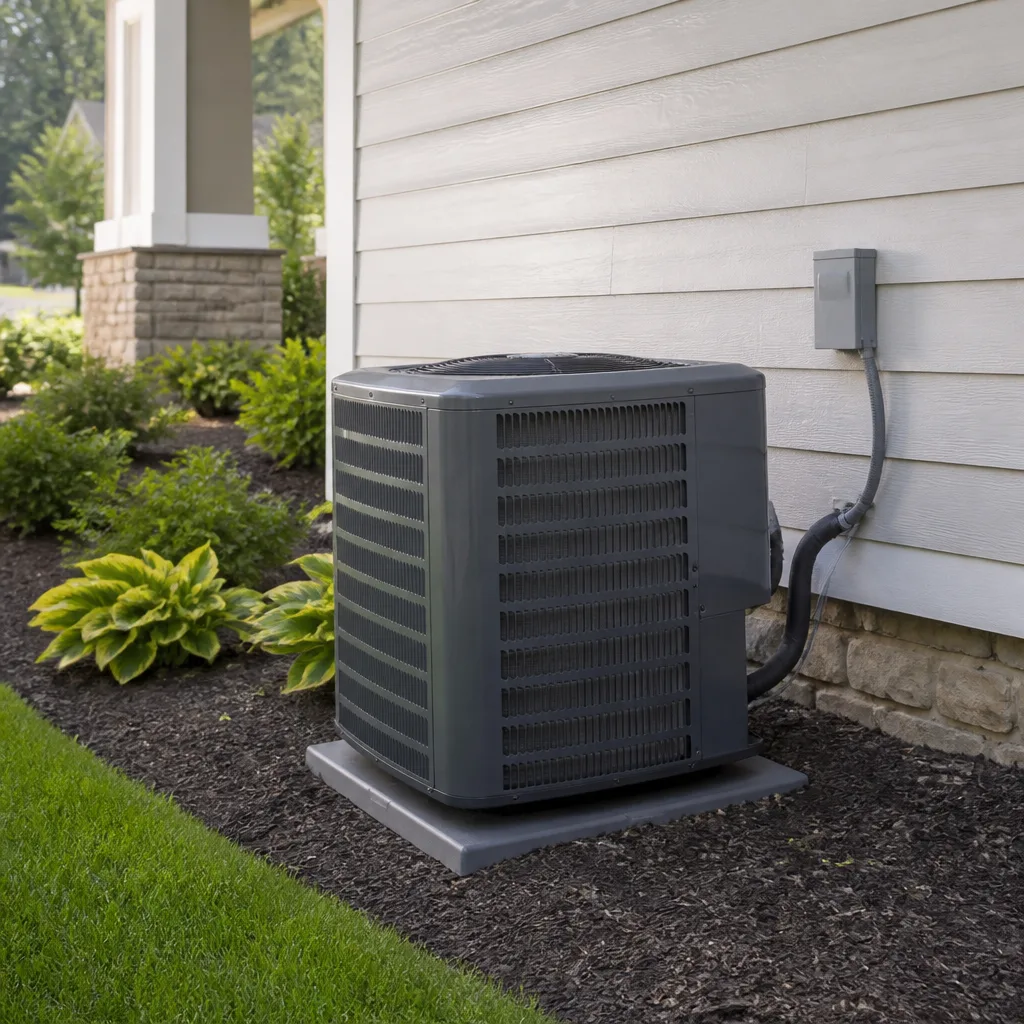 Goodman
Seasonal tune-up and full diagnostic on your Carrier, Trane, or Goodman system - readings shown to you before any repair is proposed
Diagnosis first, numbers second - you approve the repair price before a single part goes in.
Get your free estimateAC Repair Maintenance Checklist for Henderson Homeowners
Here’s a statistic that drives how we approach everything at Meadowsweet: the most common call we receive in Henderson every July isn’t a failed compressor or a refrigerant leak. It’s a frozen evaporator coil caused by a filter nobody changed since March. That single missed task costs a homeowner four to six hours without cooling, in 110-degree weather, plus a $150 to $300 service visit, all for a filter that costs about twelve dollars. This checklist is built from those real Henderson service calls, not a template written for Seattle. For a deeper dive into local system requirements, see The Complete Guide to HVAC in Henderson. We’ve organized it seasonally around the two dates that matter most for your AC: April, before the first 95-degree day, and October, when the real heat finally breaks.
Quick Answer
A Henderson AC maintenance checklist should be completed twice a year: a pre-season inspection in April covering the filter, thermostat, condensate drain, outdoor unit, and refrigerant, and a post-summer inspection in October focused on dust damage to capacitors, contactors, and blower wheels. The tasks a homeowner can safely handle are filter replacement, outdoor coil rinsing, drain line flushing, thermostat battery replacement, and clearance trimming. Tasks requiring a licensed technician include checking refrigerant pressures, testing capacitors under load, inspecting electrical connections, and cleaning the indoor evaporator coil. If you’re unsure which path fits your situation, read our DIY vs Professional HVAC: The Henderson Homeowner’s Decision Guide.
Styles & brands we work with
Table of Contents
- The April Pre-Summer Checklist: What to Do Before Henderson Hits 95°F
- The Filter: Henderson’s Most Expensive Neglect
- Condensate Drain Lines: Henderson’s June Humidity Problem
- The Outdoor Condenser: What You Can Safely Clean in Henderson’s Dust
- Refrigerant Pressures: Normal vs. Concerning for R-410A and R-32 in 110°F
- The October Post-Summer Checklist: Dust, Capacitors, and Blowers
- Monthly Tasks During Peak Cooling Season
- Common Mistakes to Avoid
- When to Call a Professional
- Frequently Asked Questions
The April Pre-Summer Checklist: What to Do Before Henderson Hits 95°F
Timing matters more in Henderson than most homeowners realize. By late April, daytime temperatures in the Las Vegas Valley start crossing into the 80s and 90s regularly. Once the outside temperature passes 95°F, your system works harder, components run hotter, and any pre-existing weakness tends to fail during the worst possible week. The goal of the April checklist is to catch those weaknesses while your system is still under light load, before it gets hammered.
Here’s what we recommend every Henderson homeowner complete before the end of April:
- Replace the air filter if it’s been more than 60 days. In Henderson’s dusty environment, 30 to 45 days is more realistic during summer.
- Test the thermostat for accuracy. Set the temperature three degrees below the current room reading. You should hear the system respond within 30 seconds and feel air moving at the registers within two minutes.
- Check the condensate drain. Pour one cup of white vinegar or warm water into the drain line near the indoor unit. It should flow freely and appear at the drain outlet outside within a minute. We cover this in depth below.
- Inspect the outdoor unit. Look for leaves, cottonwood fluff, pet hair, or anything else clinging to the coil fins. Clear any debris within two feet of the unit on all sides.
- Check every supply register and return grille. Make sure none are blocked by furniture, rugs, or stored boxes. Blocked airflow is the fastest way to freeze a coil in Henderson’s low-humidity heat.
- Check the circuit breaker for the outdoor condenser. Turn it off and on once to make sure it’s moving freely and not corroded or hot to the touch.
- Schedule a professional inspection if you skipped last year’s. Most manufacturers require an annual inspection to keep the warranty valid, and in our experience in Henderson, systems that skip the spring check are the ones that fail in July.
We’ve built our AC repair work in Henderson around what we find during these spring inspections. The pattern is consistent: homes that complete even four of these seven steps cut their mid-summer failure risk dramatically. The filter and the drain line alone resolve roughly half of all the no-cooling calls we run between June and September.
The Filter: Henderson’s Most Expensive Neglect
A clogged filter in Henderson isn’t a comfort issue. It’s a mechanical failure in slow motion. Here’s the sequence we see every summer: the filter loads up with desert dust, the airflow across the evaporator coil drops, the coil temperature falls below freezing, and the entire indoor coil turns into a block of ice. The system then runs constantly without cooling the house, which drives energy bills up by 20 to 40 percent for that billing cycle. By the time we arrive, the homeowner has usually been without cooling for several hours.
During Henderson’s summer, the practical filter replacement schedule is every 30 days for basic fiberglass or basic pleated filters, every 60 to 90 days for MERV 11 or higher pleated filters in homes without pets, and every 30 to 45 days for any home with pets or with construction happening anywhere nearby. What filter should you buy? A MERV 8 pleated filter handles Henderson’s dust well without restricting airflow. A MERV 11 or higher can work if your system was designed for that static pressure, but many older systems aren’t. Check the filter efficiency your system’s documentation specifies, or mention it during your next service visit and we’ll match the right filter to the system so airflow stays correct.
For families with kids and pets, a dirty filter means more than lost cooling. It means more dust recirculating through bedrooms, more pet dander in the air your kids breathe at night, and reduced airflow to the rooms farthest from the unit, which in many Henderson two-story homes means upstairs bedrooms running five to eight degrees warmer than downstairs. For under fifteen dollars, a fresh filter protects the coil, the compressor, the air quality, and the evenness of cooling across the house. It’s the highest return on investment in this entire checklist.
Condensate Drain Lines: Henderson’s June Humidity Problem
Henderson gets a specific weather pattern in June and July that surprises a lot of homeowners: the arrival of monsoon moisture. The air gets more humid than it was in May. That humidity means your evaporator coil condenses much more water, and that water has to go somewhere. If the condensate drain line is partially blocked with algae, dust, or sludge, the water backs up. Depending on how your system handles the safety shutoff, that backup either triggers a float switch that shuts the system down completely, or it overflows into the drip pan, which can overflow itself and damage the ceiling, drywall, or whatever the air handler sits above.
The signs that a blockage is forming appear before the water does. Any gurgling or bubbling sound coming from the indoor unit while it runs means water is laboring to get past a partial obstruction. A musty smell from the registers when the system first kicks on can mean standing water is pooling somewhere along the drain path. Water staining around the indoor cabinet itself is the late sign, and by then the drip pan may already be full. In Henderson’s June humidity spike, we run more drain-related calls than any other month except the July filter-freeze wave.
Flushing the line in April and once more in mid-June covers most of the season. Here’s the procedure we recommend:
- Locate the drain line where it exits the indoor air handler. It’s the PVC pipe, usually white, coming out of the side or bottom of the unit.
- Find the access point. Many systems have a small T-shaped opening with a cap on it near the unit. If yours has one, remove the cap.
- Pour one cup of white vinegar or warm water slowly into the line. Vinegar helps break down the algae growth that thrives in Henderson’s warm, dark drain lines.
- Watch the outdoor drain outlet near the condenser. Water should appear within a minute, flowing steadily.
- If the water does not appear at the outlet, stop pouring. You may have a complete blockage. Continuing to pour can overflow the line inside the house. Call a technician to clear it with a wet-vac or compressed air.
- Replace the cap when finished, and pour one more cup through to verify flow for the season.
This is a job we consider safe for homeowners. The risks are low: some clean water or vinegar, and an inexpensive access fitting. The payoff is real: a clear drain line means no pan overflow, no water stain on the ceiling below the attic unit, and no safety shutdown during the hottest evenings of the year.
The Outdoor Condenser: What You Can Safely Clean in Henderson’s Dust
Henderson sits in one of the dustiest airsheds in the country. The same windstorms that coat your patio furniture with grit also coat your outdoor condenser coil. That dust layer acts like a blanket. It insulates the coil and prevents it from rejecting heat into the outside air. As the coil gets dirtier through the spring, the compressor runs hotter, the refrigerant pressure climbs, and efficiency drops. We’ve measured condenser coils in Henderson homes where the dust layer is thick enough to write your name in. That coil is rejecting maybe 60 percent of the heat it should.
Homeowners can safely clean the condenser coil themselves, with honest expectations about what the job involves. You’ll need: a garden hose with a spray nozzle, a soft-bristle brush or a coil-cleaning brush (sold at hardware stores for $15 to $25), a screwdriver to remove the protective grille if your model requires it, and thirty minutes of time. No special chemicals are required for most Henderson homes. What matters is water pressure and technique.
Here’s the method:
- Turn off the system completely at the thermostat and at the circuit breaker for the outdoor unit. Never work on a condenser while power is connected.
- Remove the outer grille or louvered panels if they are removable. Many units use a few screws.
- Remove loose debris by hand or with the brush. Work with the angle of the fins, not against it. Fins are delicate and bend easily.
- Spray water from the inside of the unit outward, if possible, to push dust out the same direction it came in. If you can only access the outside, spray straight at the coil, not at an angle.
- Use moderate pressure. A high-pressure nozzle can flatten the fins, and once fins are bent, the coil loses airflow permanently until they’re combed straight.
- Let the coil dry for 20 to 30 minutes, replace the grille, and restore power.
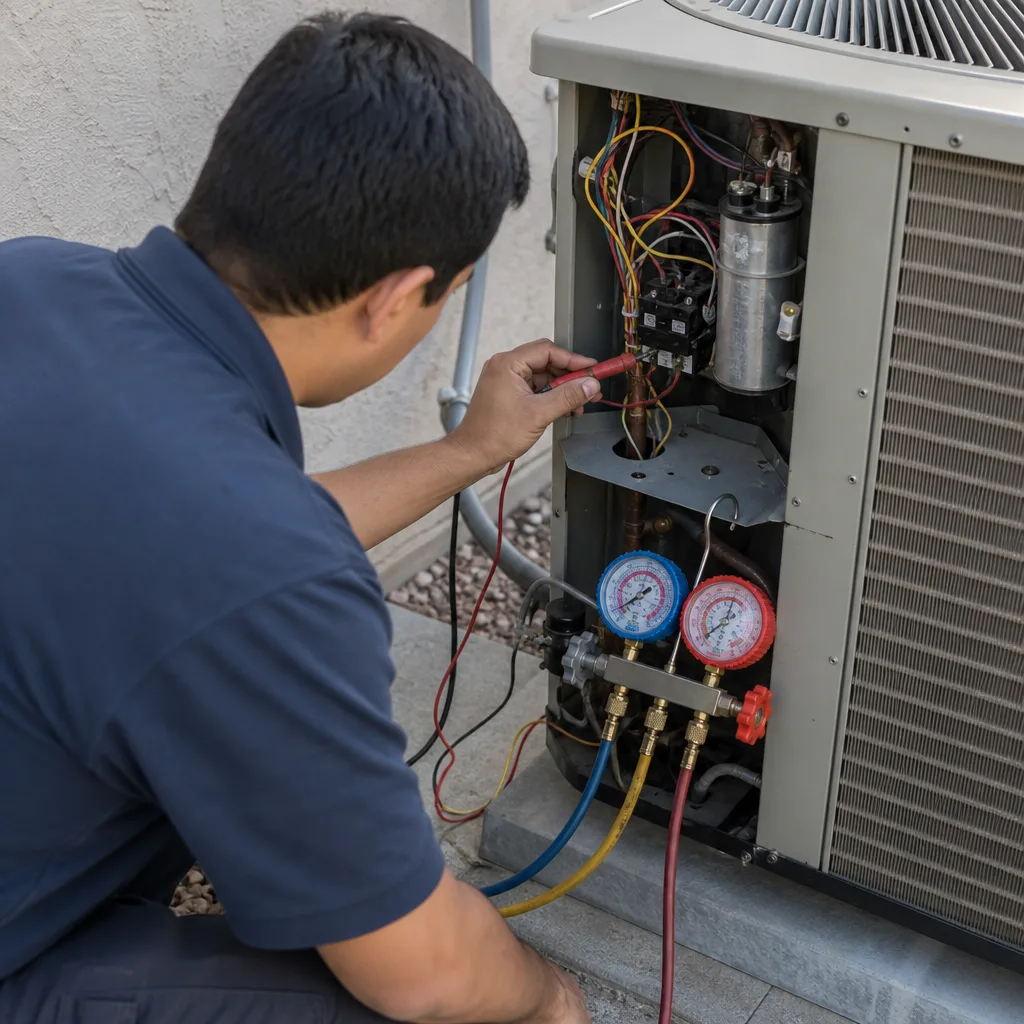
What requires a licensed technician: removing the condenser fan to access the interior of the coil on models where the grille doesn’t come off, applying commercial coil-cleaning chemicals, checking or adding refrigerant, testing the capacitor and contactor, any electrical inspection, and confirming refrigerant pressures after cleaning. The electrical and refrigerant systems in your condenser are high-voltage and high-pressure. A hand on the wrong wire or the wrong valve can cause serious injury. For those jobs, we recommend a trained professional, and the Meadowsweet Heating and Air Henderson home team handles this work every day across the valley, including on Carrier, Trane, Lennox, and American Standard equipment.
Refrigerant Pressures: Normal vs. Concerning for R-410A and R-32 in 110°F
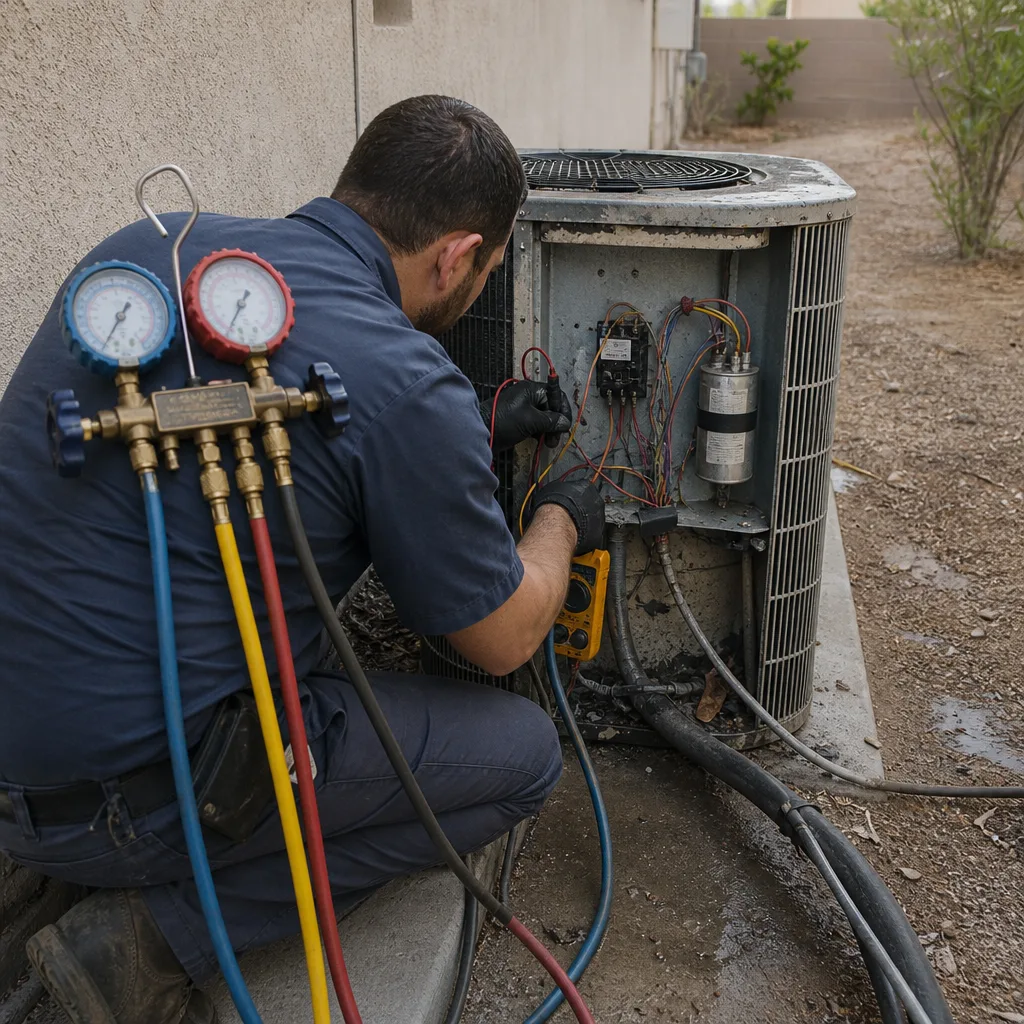
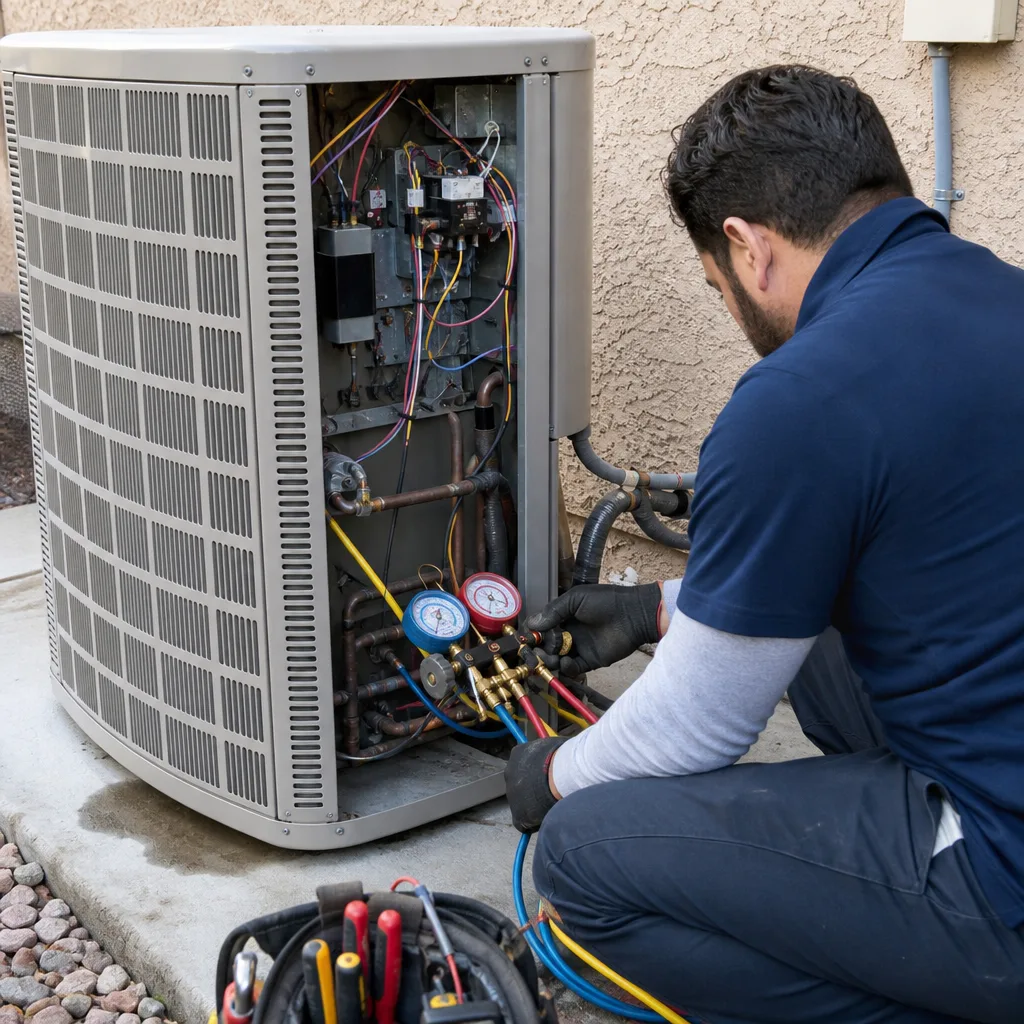
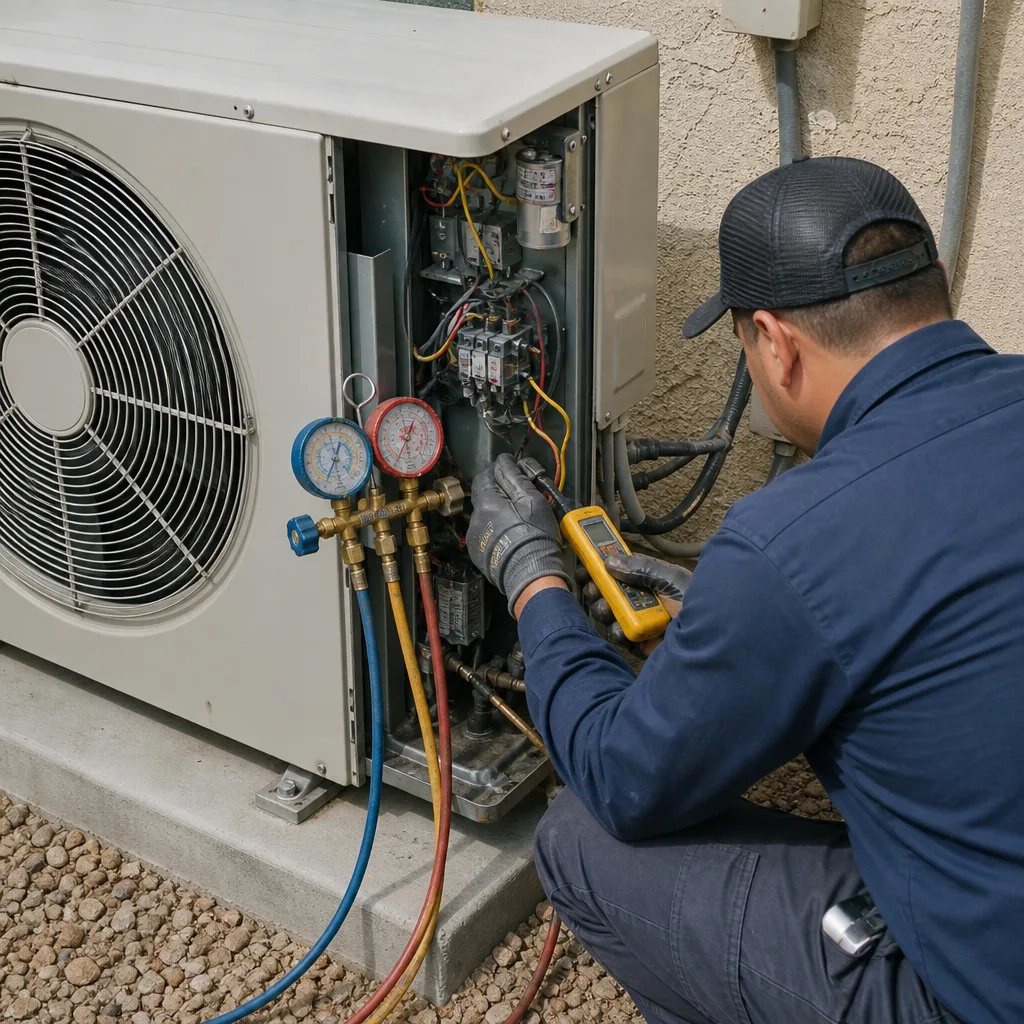
This section is for the homeowner who wants to understand the numbers, not perform them. Checking refrigerant pressures requires EPA certification, dedicated manifold gauges, and knowledge of the specific system’s target subcooling or superheat values. We’re sharing the ranges so you can understand what a technician tells you and ask better questions when service is performed.
R-410A, the refrigerant used in most residential systems installed since 2010, runs on the high side at roughly 380 to 420 psi on a 110-degree Henderson afternoon. The low side typically reads between 120 and 140 psi under the same conditions. When the outdoor temperature climbs from 95 to 115, normal high-side pressure climbs with it, which is why refrigerant can’t be evaluated on a cool March morning and still be accurate in July. A system with R-410A that’s showing high-side pressure under 300 psi on a 105-degree day is likely undercharged. If the high side is over 500 psi, the system may be overcharged or the condenser coil is severely dirty.
R-32, the newer refrigerant appearing in modern systems including many installed across Henderson in recent years, runs lower. On a 110-degree day, typical R-32 high-side pressure is 360 to 400 psi, with low side at 125 to 145 psi. R-32 carries more heat per pound, so it needs less charge volume and lower pressures than R-410A for the same capacity.
Here’s how to use this information: if a technician tells you the system needs a pound of refrigerant every year, that’s not normal and it’s not “just how ACs work.” A sealed system does not consume refrigerant. If it’s low, there is a leak, and refilling it without finding and fixing the leak is a temporary measure at best. In Henderson’s summer heat, an undercharged system will run constantly, cool poorly upstairs, and stress the compressor. If someone describes refrigerant as “just low” without proposing a leak search, get a second opinion. We include a proper leak inspection in our refrigerant-related AC installation and repair work in Henderson specifically because the heat here punishes undercharged systems harder than most climates.
The October Post-Summer Checklist: Dust, Capacitors, and Blowers
By the time October arrives, your system has just completed six months of near-continuous operation. What the summer leaves behind in a Henderson air handler is specific and predictable: a layer of fine dust on the blower wheel and motor, pitted or bulging contactor points from millions of open-close cycles, and a capacitor that may be drifting out of tolerance. None of these show symptoms in October. All of them decide in July whether your system starts.
The October checklist is about heading off those hidden failures while the demand is low:
- Inspect the capacitor visually. A bulging capacitor top is what failing capacitors look like. A technician with a capacitance meter can confirm drift. In our experience across Henderson, capacitors fail more often after a severe summer, and they don’t always announce it. A capacitor swap during an October maintenance visit costs a fraction of a no-cooling emergency call in August.
- Have the contactor inspected. The contactor is the switch that turns the condenser on and off. Six months of Henderson heat cycles causes pitting and carbon build-up on the contact points. Pitted contactors can stick closed, which keeps the outdoor unit running even when the thermostat is off, or they can fail to engage at all.
- Clean the blower wheel and blower motor. The blower moves all the air your family breathes. A dust-loaded blower wheel is unbalanced, noisy, and moves less air per watt. On systems with a variable-speed blower motor, the control module can overheat when caked with dust. Cleaning the blower is detailed work requiring removal of the housing, and in our experience, it’s the most commonly skipped maintenance item in Henderson homes.
- Check the condensate pan and drain one more time. Algae grows in the residual water after summer, especially in Henderson’s warm interior spaces.
- Test the system one final time in heating mode if you have a heat pump, or confirm the thermostat switches modes cleanly. A sticking reversing valve found in October is a mild inconvenience. Found in January, on a 25-degree night in the valley, it’s an emergency.
- Consider one professional inspection before the holidays. We see a pattern every year: a maintenance appointment in October runs into an issue in 20 minutes and the homeowner has weeks of mild weather to schedule a repair on their own terms. The same issue ignored becomes a costly cold-weather or early-summer failure.
We built our seasonal routing around this Henderson-specific calendar. The work we schedule in April and October is where most of the catastrophic failures are prevented. The furnace-side checklist follows a similar logic, and if you have a gas furnace, reviewing the basics from our furnace repair service in Henderson is the natural companion to this guide.
Monthly Tasks During Peak Cooling Season
From May through September, Henderson AC systems are under daily and nightly load. The monthly tasks are quick; most take under ten minutes. They’re designed to catch changes early while they’re still inexpensive to address.
- Check and change the filter. Pick a day and do it. The first of the month is the easiest to remember.
- Check the outdoor unit for debris. Cottonwood fluff arrives in May and June. Trash, weeds, and pet fur gather around the base. Clear everything within two feet.
- Look for ice on the larger copper line at the outdoor unit while the system runs. Any frost or ice on the refrigerant lines means the system needs attention immediately. It’s either airflow or refrigerant, and both get worse in Henderson’s heat.
- Listen for changes. New rattles, hums, or grinding sounds are almost always a mechanical issue beginning. Note them and mention them to a service technician before they become a mid-July failure.
- Check the thermostat display. A dim or flickering display often means failing batteries. Losing the thermostat in the middle of a Henderson heat wave means losing cooling control at the worst moment.
These five monthly habits are the highest-leverage work a homeowner can do. They don’t require tools or training. They just require consistency. And consistency on these five items prevents most of what we see at 2 a.m. from June through September.
Common Mistakes to Avoid
- Closing vents in unused rooms to “save energy.” Your system is designed to move a specific volume of air. Closing registers raises static pressure, reduces airflow across the coil, and can freeze it. In Henderson’s low indoor humidity, airflow restriction is the most common cause of coil ice-ups we see.
- Setting the thermostat very low to “cool faster.” A residential AC has one speed. Setting the thermostat to 65 doesn’t cool the house any faster than setting it to 72. It just runs longer, burns more energy, and may eventually overshoot.
- Using a washable filter and rarely washing it. Washable filters have higher initial air resistance and plug quickly in Henderson dust. If you go this route, wash it monthly and dry it completely before reinserting. Otherwise, use a standard disposable filter.
- Skipping the spring inspection because “the system is running fine.” Almost every major Henderson AC failure we see in July was running fine in April. The purpose of the inspection is to catch the part that’s about to fail, not the part that already has.
- Letting the exhaust from the condenser recirculate. Bushes, fences, or stored items tight against the outdoor unit trap the hot exhaust air. The unit then pulls that same hot air back through the coil, head pressure rises, and cooling capacity drops. Two feet of clearance on all sides is the minimum; more is better.
- Never looking at the outdoor unit yourself. A quick visual check once a month catches debris, ice on the lines, and leaning or settling of the unit before it becomes a system failure.
- Waiting until the first hot day to service the system. In Henderson, the first real heat wave arrives fast. Waiting until it’s 105 to schedule maintenance means competing with every emergency call in the valley. April and October appointments are easier to get and more thorough.
When to Call a Professional
Any of these signs warrant a service call rather than a DIY attempt: ice on the indoor or outdoor coils, a breaker that trips more than once, a burning smell from the registers, water leaking from the indoor unit, any hissing sound indicating refrigerant escaping, or an outdoor unit that runs but doesn’t cool. The electrical and refrigerant sides of an AC system carry genuine risk: the condenser carries high voltage even when off, and refrigerant burns are a real injury. If you’re not certain, don’t guess. Meadowsweet Heating and Air Henderson offers free estimates in Henderson, with a written price before any work starts, shoe covers and drop cloths on every visit, and a photo of the clean-up before the crew leaves. Call (775) 257-9022 to schedule.
Frequently Asked Questions
Once a year at minimum, and in Henderson we recommend twice: a full inspection in April before the heat arrives, and a lighter check in October after it ends. Systems here run harder than almost anywhere else in the country, and twice-a-year service catches dust and capacitor issues before they become failures. Call (775) 257-9022 for a quote.
A basic maintenance visit in Henderson typically runs $89 to $180, depending on the scope of the inspection and whether it includes cleaning the indoor coil and testing electrical components. More detailed cleaning or repairs found during the visit add to that. At Meadowsweet Heating and Air Henderson, the price for the AC Repair visit is written down before any work starts, so there are no surprises when the bill arrives.
You can rinse the coils and remove loose debris safely with the power off, using a garden hose on moderate pressure and a soft brush. What you should not attempt is any electrical testing, refrigerant work, or removal of the fan assembly. Those require a licensed technician. A DIY rinse will help, but a professional cleaning with the proper equipment will do more.
Most Henderson homes do well at 76 to 78 degrees during waking hours, and 72 to 74 at night. Every degree below 78 adds roughly 5 to 8 percent to your cooling bill. In Henderson’s dry heat, 78 with fans running feels similar to 74 in a humid climate.
A frozen coil in the middle of a Henderson summer is almost always caused by restricted airflow, not a refrigerant issue. That means a dirty filter, a blocked return, closed registers, or a failing blower motor. The heat outside doesn’t prevent the coil from freezing; low airflow across the coil drives its temperature below 32 degrees regardless of the outdoor temperature.
The rough rule is that if the system is under eight years old, repair is usually the right call. Beyond twelve years, especially if the issue involves the compressor, replacement starts to make more sense financially. Between eight and twelve, it depends on the failure and the condition of the rest of the system. We cover this decision in depth at our AC installation page for Henderson, and our techs will walk you through the math before any work is approved.
The Bottom Line
A Henderson AC system that gets a filter change every month, a drain flush in April and June, and a professional inspection each spring and fall will almost never surprise you with a mid-summer failure. The system will cool more evenly, cost less to run, and protect the comfort of the people in the house, including pets and sleeping kids. The work takes a few hours a year, costs less than a single dinner out, and is the only reliable way to avoid the July freeze-up call that starts this guide. If you’d rather hand the whole checklist to someone who does this every day in Henderson, we’d be glad to help. Call (775) 257-9022 or visit our Meadowsweet Heating and Air Henderson home page to schedule service.
Written by Luis Serrano, Owner at Meadowsweet Heating and Air Henderson, serving Henderson since 2004. Browse our more guides & resources for year-round HVAC tips.
See the difference
 Before
 After
After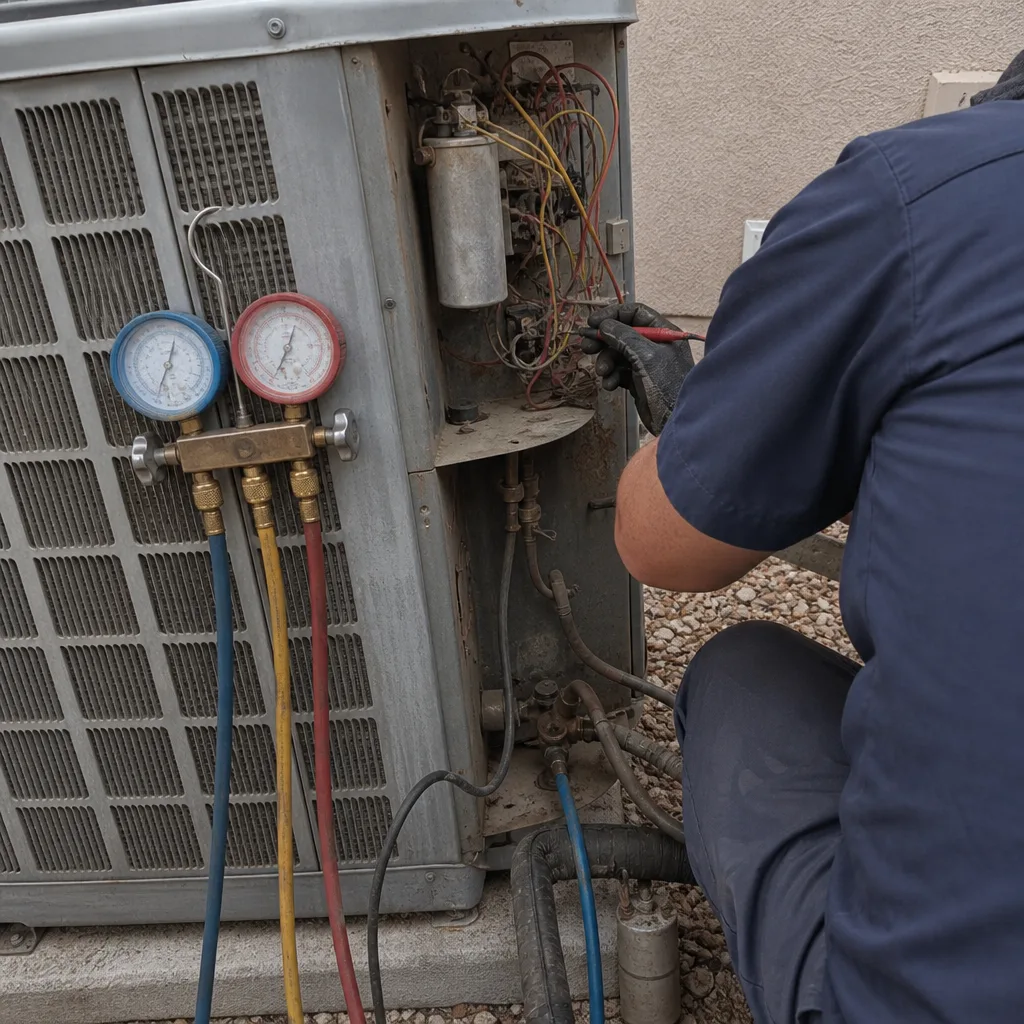 Before
 After
After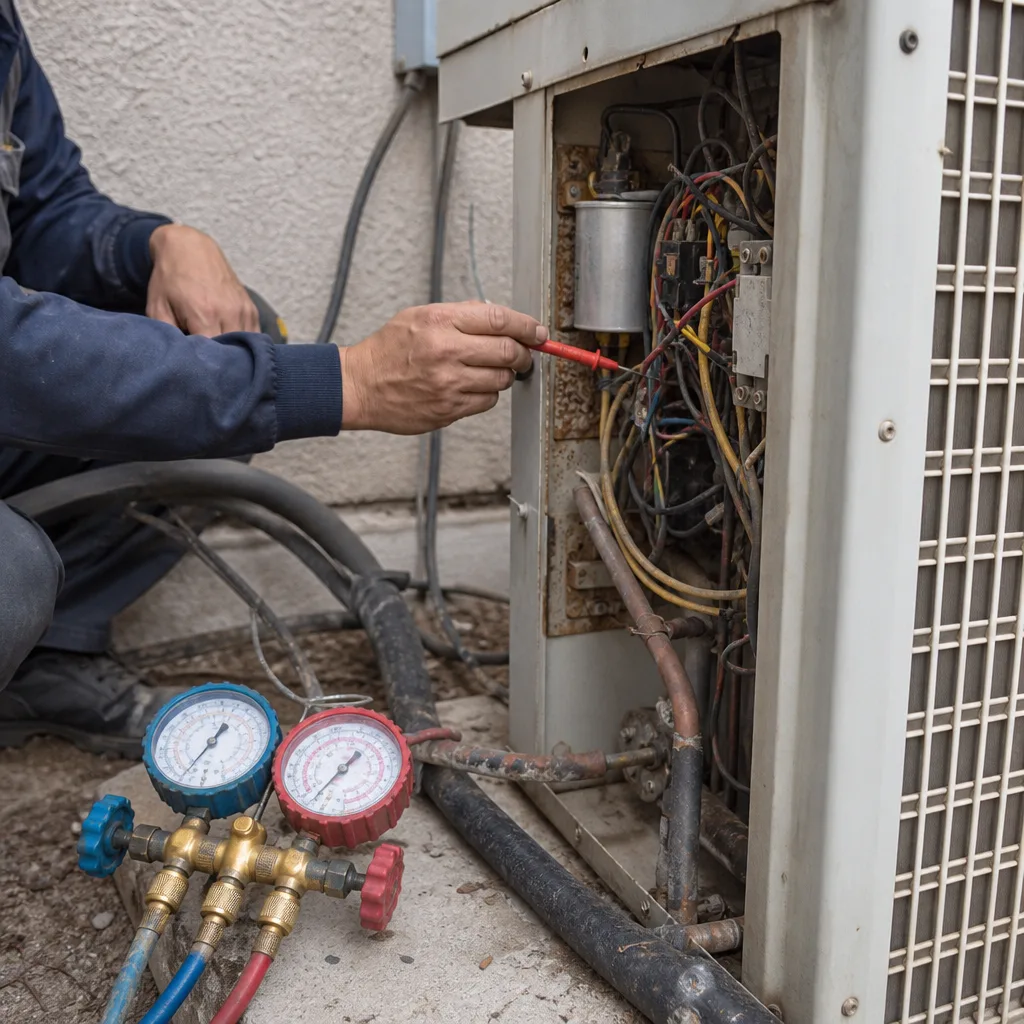 Before
 After
After